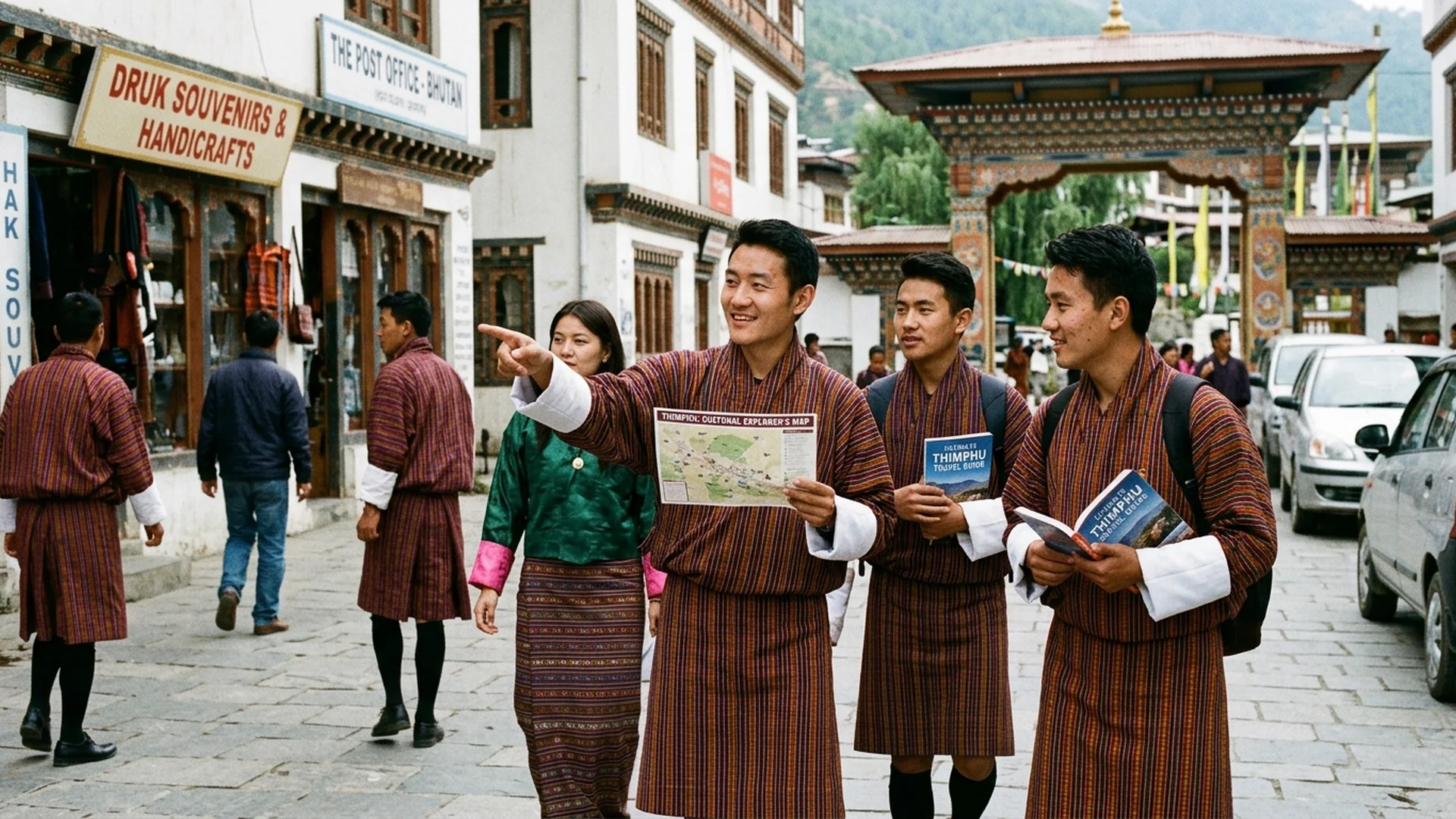
Amidst a modern world driven by relentless acceleration, blaring horns, and neon-lit intersections, Thimphu—the capital of the Kingdom of Bhutan—has chosen an entirely different cadence. It remains the only national capital in the world devoid of a single traffic light. At its central crossroads, traffic officers dressed in immaculate traditional attire orchestrate the flow of vehicles with graceful, deliberate gestures. This harmonious ballet reflects the beating heart of this Himalayan kingdom: a profound reverence for natural rhythms and spiritual well-being.
Journeying to Thimphu transcends conventional sightseeing; it is an initiation into a refined realm of mindful luxury. Here, exquisite hospitality intertwines seamlessly with the philosophy of Gross National Happiness (GNH). The arresting splendor of traditional architecture, pristine valley landscapes, and profound inner stillness gently invite the discerning traveler to slow down and savor the resonance of every passing moment.
Encircled by towering Himalayan peaks and the rushing glacial waters of the Wang Chhu, Thimphu offers an unmistakable allure. It is a tapestry where master craftsmanship, Mahayana Buddhist devotion, and majestic fortress architecture converge with legendary world-class sanctuaries.
Architectures of the Soul: Sacred Statuary and Fortress Monasteries
A profound immersion into Thimphu begins high above the valley floor at Kuensel Phodrang, where the monumental Buddha Dordenma stands in serene majesty. Rising 51.5 meters, this bronze-and-gold statue is among the largest seated Buddhas in the world. As morning light catches its gilded surface, the figure gleams against a backdrop of dark pine forests. Within its sacred throne room rest over 125,000 smaller gilded buddhas, while the surrounding air carries the crisp scent of mountain pines and panoramic vistas of the valley below.
As afternoon transitions into evening, the path leads toward the heart of the valley to Tashichho Dzong, the majestic fortress-monastery and seat of government. Built entirely according to ancient dzong architecture without a single nail or architectural blueprint, this formidable stronghold flanks the Wang Chhu riverbanks. It serves as both the administrative nerve center and a vibrant spiritual sanctuary. As dusk descends, cool mountain breezes whisper through intricately carved wooden galleries before exterior illumination casts a warm, golden glow across the whitewashed walls and golden roofs—a breathtaking spectacle that commands absolute quiet awe.
Redefining Mindful Luxury: From Ancient Hot Stone Sanctuaries to Iconic Refuges
A high-end journey through Thimphu extends far beyond visual grandeur; it is an invitation to nourish body and spirit through ancestral wellness traditions. A premier highlight is the traditional Bhutanese hot stone bath, known locally as Dotsho. This ancient ritual involves river stones roasted over open wood fires until incandescent, then submerged into natural wooden tubs filled with mineral-rich spring water and wild Ayurvedic artemisia leaves. The gradual release of heat and minerals deeply relieves muscular fatigue, restoring vitality and inner balance.
To complete this journey of distinction, world-class retreats such as Pemako Thimphu offer an exquisite synthesis of contemporary luxury and traditional soul. Architectural details echo the grandeur of ancient fortresses, complemented by hand-painted murals and meticulous woodwork. Upon arrival, guests are welcomed with a steaming cup of traditional Bhutanese butter tea, or Suja—a fragrant, salted Himalayan elixir symbolizing warmth and hospitality amidst the tranquil mountain heights.
The Breath of Master Artisans: Preserving Living Heritage
The true depth of Thimphu lies in its unwavering dedication to Zorig Chusum, the thirteen traditional arts and crafts of Bhutan. At the Jungshi Handcrafted Paper Factory, visitors witness the meticulous art of ancient papermaking derived from the fibrous bark of the Daphne plant. Every step—from boiling and pulping to sun-drying—is executed by hand, resulting in paper prized for its organic texture, durability, and timeless aesthetic value.
Furthermore, a stroll through the Authentic Bhutanese Crafts Bazaar, lined with traditional timber storefronts, reveals masterworks of textile artistry. From vibrant, finely woven kira for women to elegant gho for men, these garments are still worn with immense pride by the residents of Thimphu. Each intricate weave narrates centuries of folklore, belief, and chromatic brilliance unique to the Himalayan realm.