As the morning mist gently embraces the sheer gray stone cliffs of Punakha Dzong, the low, resonant chant of monks echoes through thick masonry walls. The Land of the Thunder Dragon invariably offers visitors a profound sense of security and spiritual stillness. Bhutan is widely celebrated as one of the most serene destinations on earth, where violent crime rates remain virtually nonexistent and daily life is anchored in Buddhist ethical principles.
Yet, for the discerning traveler who values seamless perfection in every detail, meticulous preparation in managing financial resources, travel documents, and personal valuables remains essential. This foresight ensures an utterly unburdened immersion into the sublime landscapes and living culture of the Himalayas. Let us explore the quiet art of preparedness that elevates a high-net-worth journey through these sacred valleys into an experience of effortless peace.
The Fine Art of Currency Management: Ngultrum, Rupees, and the Digital Valley
Bhutan’s monetary ecosystem is delightfully distinct. The national currency is the Ngultrum (Nu), pegged one-to-one with the Indian Rupee (INR), which circulates freely as legal tender. However, an essential insider caveat: premier hotels, boutiques, and merchants across Thimphu and Punakha routinely decline 500 and 2000 INR banknotes as an anti-counterfeit measure. Carrying a balanced proportion of both currencies is therefore indispensable.
Regarding digital transactions, luxury boutique resorts, upscale lodges, and curated artisan galleries in the capital now widely accept international credit cards such as Visa and Mastercard. Yet, mountain passes and remote valleys can experience intermittent internet connectivity. Retaining a sufficient reserve of physical Ngultrum for minor incidentals, monastery offerings, or supporting indigenous artisan cooperatives reflects refined mindfulness and ensures an uninterrupted journey.
Safeguarding Credentials: Passports, e-Visas, and Inter-District Transits
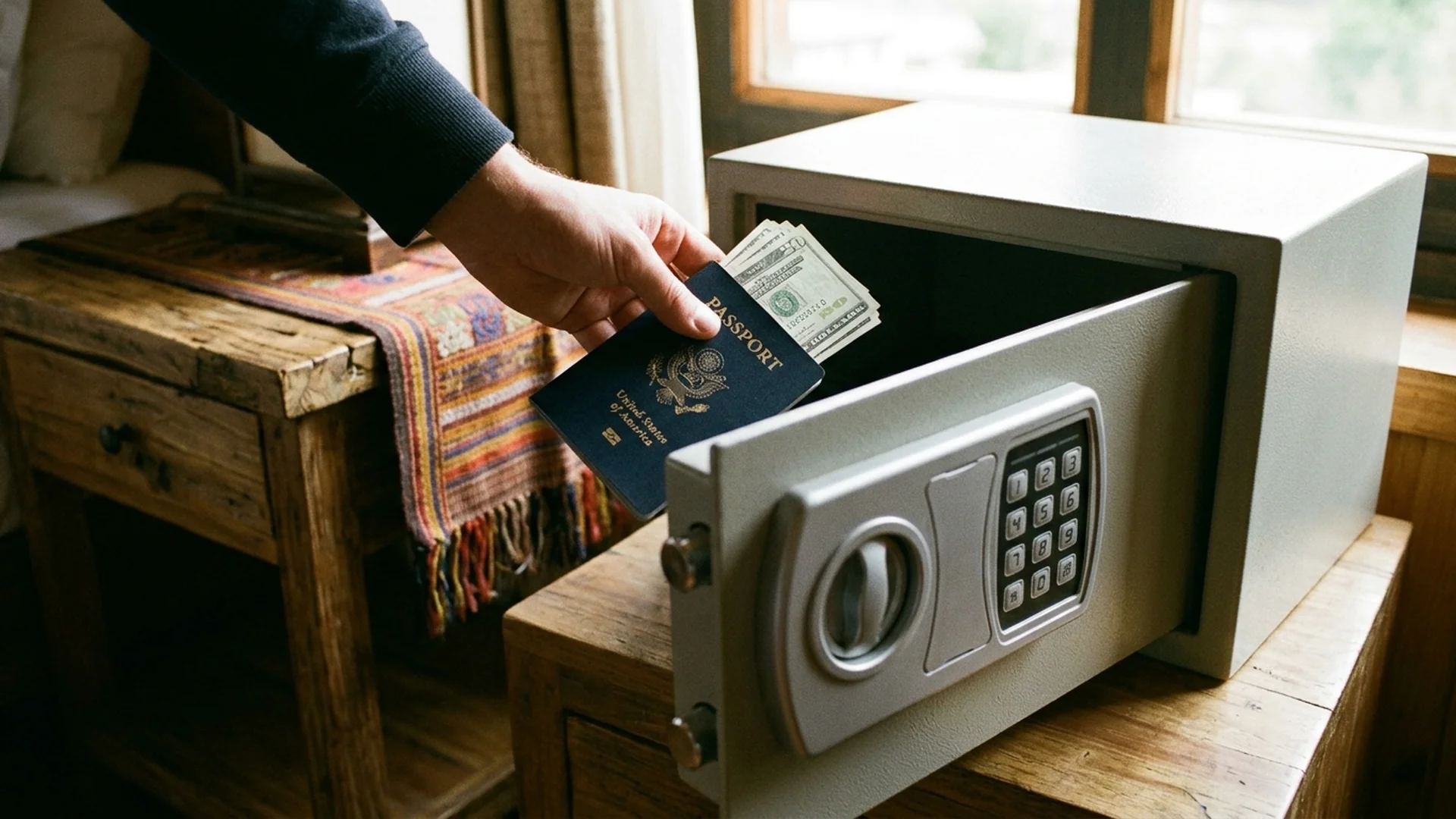
Traversing the sovereign territory of Bhutan involves passing through various regional security checkpoints where travel credentials are formally logged. Your passport and official entry permit or e-Visa must remain close at hand and meticulously protected. Our editorial recommendation is a three-tier documentation protocol: originals preserved in moisture-resistant cases within personal carrywear, physical duplicate copies stored separately, and encrypted digital scans safely archived on personal cloud storage.
As you journey across high mountain passes from Thimphu to Punakha, or descend into the tranquil expanse of Bumthang, atmospheric conditions shift dramatically. Keeping your passport pristine and shielded from humidity prevents bureaucratic delays at inter-district security posts, where procedures are conducted with polite, unwavering adherence to royal regulations.
Etiquette and Valuables Management within Dzongs and Sacred Sanctuaries
Dzongs—formidable fortress-monasteries—and ancient sanctuaries throughout Bhutan are not merely historical monuments; they remain vibrant administrative and monastic centers housing resident clergy. Visiting these sacred spaces requires strict adherence to timeless protocols. Crucially, large luggage and certain electronic devices are prohibited inside inner sanctums.
Entrusting personal effects or photographic gear to your dedicated private guide, or securing daypacks neatly, is both practical and respectful. Furthermore, dressing in respectful accordance with local tradition—wearing modest attire that gracefully covers shoulders and knees—not only honors sacred ground but also allows you to blend seamlessly into the cultural landscape, naturally fostering a discreet and secure environment.